Illuminate Your Home Like a Boutique Hotel
Layers That Shape Atmosphere
Ambient Foundations
Think of ambient light as the soft canvas upon which every mood is painted. Hotels often use concealed coves, high‑quality downlights, or wall-washers to create even, shadow-smart brightness that soothes rather than shouts. Aim for warm color temperatures, minimal glare, and dimmable control to move from daytime clarity to evening serenity. When the base is balanced, every subsequent layer reads naturally, letting textures bloom, colors deepen, and silhouettes feel effortlessly flattering.
Task Precision
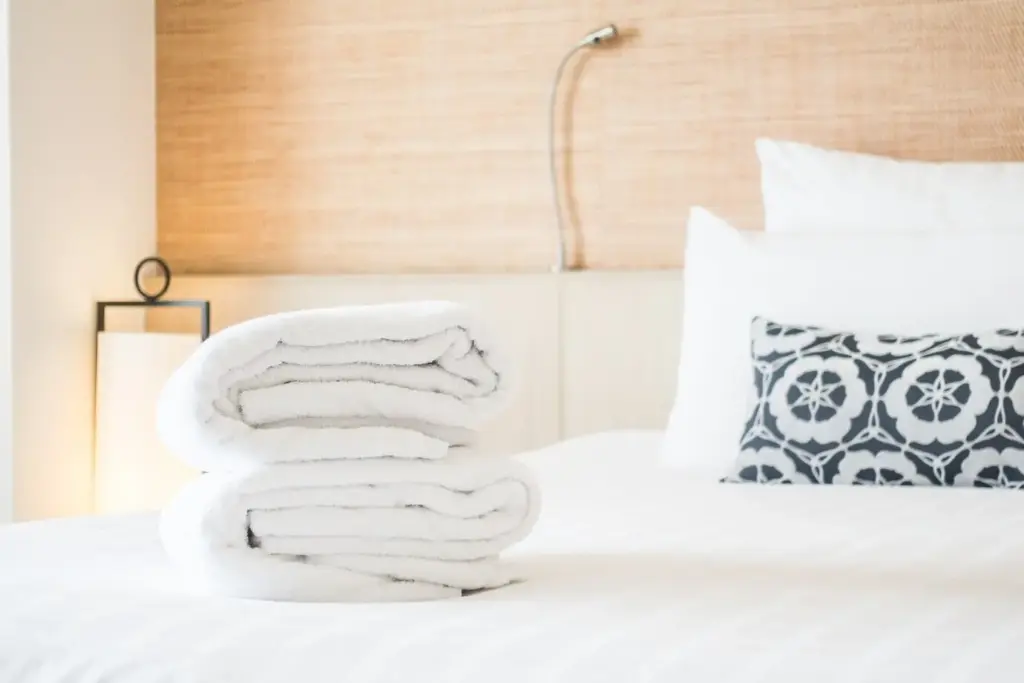
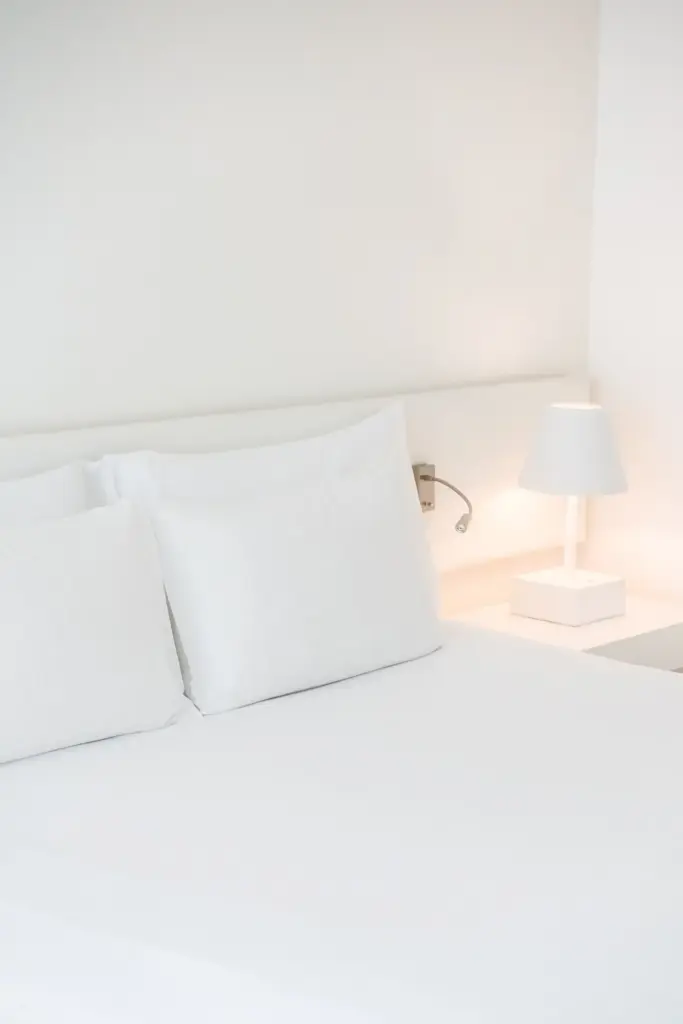
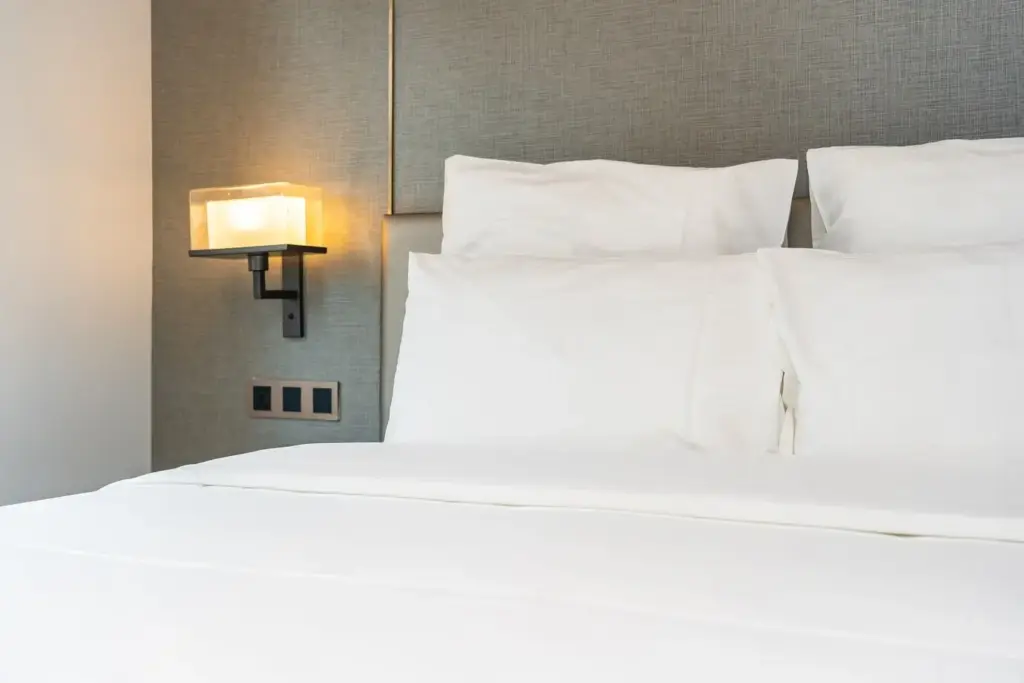
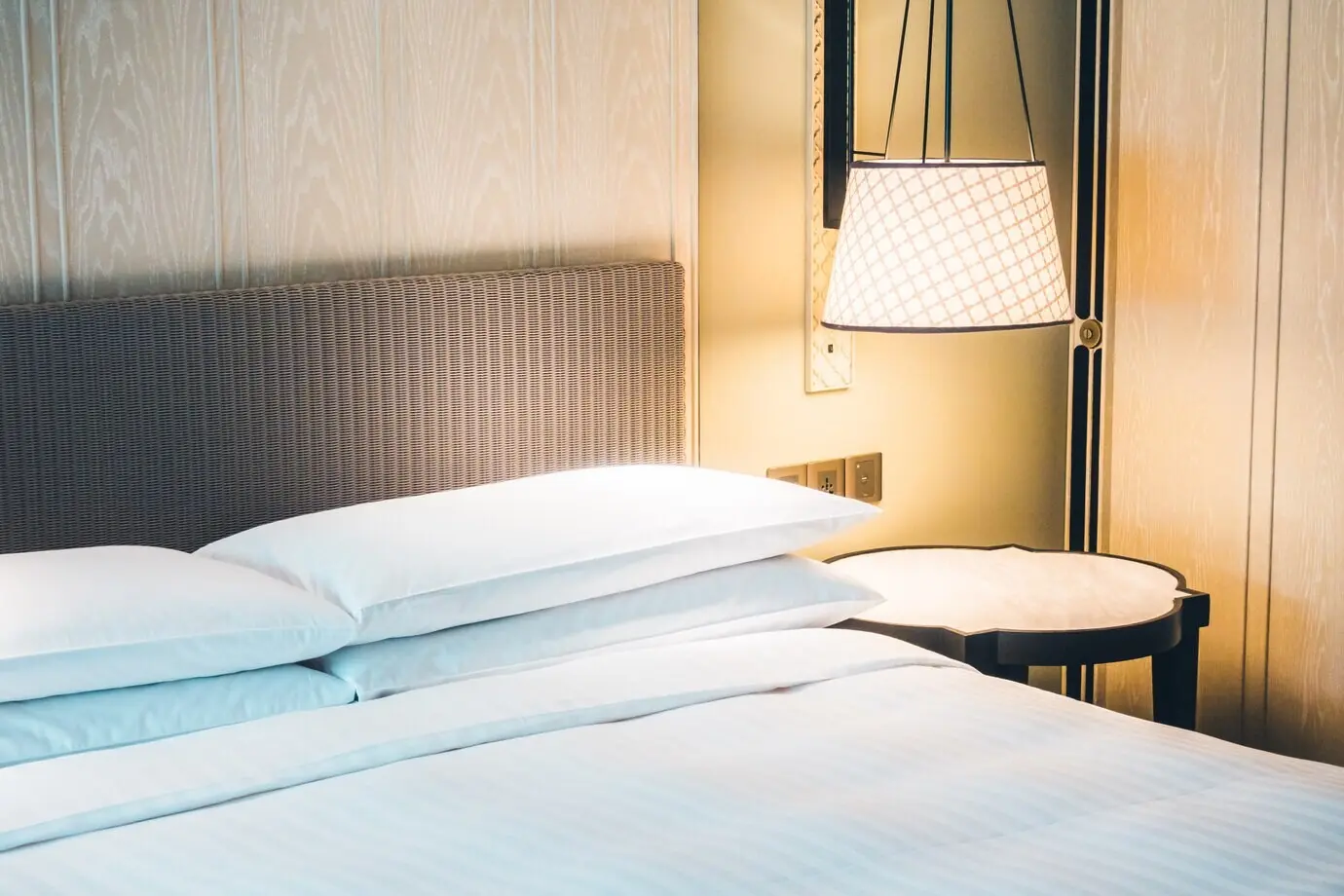
Task lighting is the quiet ally for reading, cooking, grooming, or working at a desk. In hospitality, bedside swing arms, under-cabinet strips, and mirror-integrated sconces place light exactly where it serves without washing the whole room. The goal is crisp illumination with controlled beam spread and little spill. Pair task fixtures with dimmers or local switches, ensuring comfort after dark, and align output with activities so effort feels easy and eyes feel relaxed.
Accent and Decorative Drama
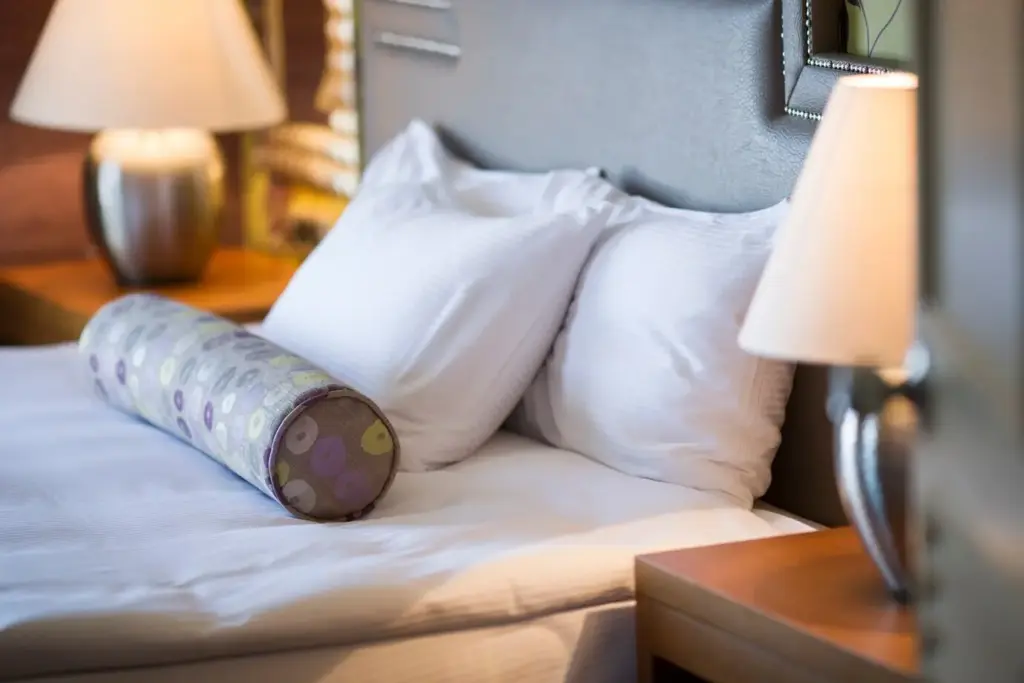
Accent beams and decorative pieces are the jewelry of the room, highlighting art, stone veining, fabric texture, or a sculptural plant. Hotels deploy narrow beam spots and glowing shades to add depth, misdirection, and intrigue. Use picture lights, uplights, or niche LEDs to create focal punctuation, then select a statement pendant or sconce that charms without glare. With careful placement, you add narrative layers that invite lingering glances and rewarding rediscovery.
From Lobby Warmth to Suite Serenity
Focal Points First
Hoteliers start with what the guest should notice immediately: a handsome console, a textured wall, or an artful vignette. Identify your hero elements and light them purposefully with accents or wall-grazing. Then lower surrounding brightness slightly so the focal point carries attention without shouting. This theatrical hierarchy clarifies a room’s story, helps people orient themselves, and prevents visual fatigue. It is an elegant sleight of hand that makes everyday spaces feel curated and memorable.
Sightline Choreography
Great hospitality design edits what you see at every step. As you move through a home, keep glare behind you, highlight inviting destinations ahead, and soften the periphery. Use directional downlights, shaded fixtures, and illuminated art to lead the gaze comfortably. Resist over-lighting; negative space and gentle shadow give shape and depth. With each transition, adjust brightness ratios so rooms feel cohesive, never jarring, and your pathway reads like a guided, gracious invitation.
Ceiling Height and Layer Balance
Low ceilings love perimeter glow and wall lighting that visually lifts; high ceilings can showcase pendants, uplight coffers, and layered downlighting without heaviness. Hotels modulate beam angles, mounting heights, and lumen levels to sculpt volume gracefully. Match the scale of fixtures to architecture, embracing indirect methods where headroom is tight and more generous layering where space allows. This measured balance brings harmony, avoids flatness, and preserves intimacy even in expansive rooms.
Color, Dimming, and Human Comfort
Choosing the Right Warmth
Smooth, Silent Dimming
Evening Wind-Down Cues
Materials and Fixtures That Whisper Luxury
Small Spaces, Big Drama
Smart Controls and Effortless Zoning
Scene-Based Living
Start by naming activities your home hosts, then assign each a light recipe that blends ambient, task, and accent layers. For example, dining favors warm overhead dim with candle-style sparkle and softened wall grazing. Lounge prefers low pools and indirect glow, while cleanup demands brighter task with fewer shadows. Map these to buttons or voice prompts. When scenes echo real routines, people actually use them, and the space responds like a well-trained, hospitable companion.
Wiring and Grouping Strategy
Even simple homes benefit from thoughtful circuit grouping. Separate ambient from task wherever possible, and keep accent layers on their own circuits for flexible mood control. Coordinate dimmer types with drivers to avoid flicker. In renovations, consider wireless keypads that reduce wall clutter and improve ergonomics. Future-proof by leaving capacity for another accent or cove run. When the backbone is organized, tuning becomes joyful rather than frustrating, and adjustments stay elegant over time.
Retrofit Without the Headache
Many boutique tricks are achievable without opening walls. Plug-in sconces with fabric cords, adhesive LED channels under shelves, and smart bulbs paired with scene controllers deliver meaningful nuance. Layer table lamps at varied heights to replace missing junction boxes. Use paintable cord covers and strategic furniture placement to hide runs. Test color temperatures in the evening before committing. Incremental changes compound into a hospitality-grade experience while keeping budgets and disruption beautifully contained.
Prioritize Moments, Not Square Footage
Mix High and Low Without Compromise
DIY Upgrades with Outsized Payoff

All Rights Reserved.