Illuminate Your Home Like a Boutique Hotel
Step into a world where layered lighting strategies borrowed from boutique hotels turn ordinary rooms into captivating experiences. We will explore how ambient, task, accent, and decorative light collaborate to guide mood, comfort, and function. Expect practical layouts, color temperature guidance, dimming tips, and storytelling techniques that make every corner feel intentional, cocooning, and quietly luxurious. By the end, you will be ready to curate light like a host who understands hospitality magic at home, while inviting conversation, reflection, and delight.

Layers That Shape Atmosphere

Boutique hotels choreograph light in tiers that gently lead the eye and define purpose. Begin with a calm ambient base, thread precise task illumination where hands and eyes work, and finish with accent and decorative sparkle that celebrate texture, art, and architectural rhythm. This layered approach transforms sterile brightness into nuanced comfort, where shadows speak softly and highlights celebrate what matters, building rooms that feel welcoming, flattering, and remarkably human from the first switch to the final dim.

Ambient Foundations

Think of ambient light as the soft canvas upon which every mood is painted. Hotels often use concealed coves, high‑quality downlights, or wall-washers to create even, shadow-smart brightness that soothes rather than shouts. Aim for warm color temperatures, minimal glare, and dimmable control to move from daytime clarity to evening serenity. When the base is balanced, every subsequent layer reads naturally, letting textures bloom, colors deepen, and silhouettes feel effortlessly flattering.

Task Precision

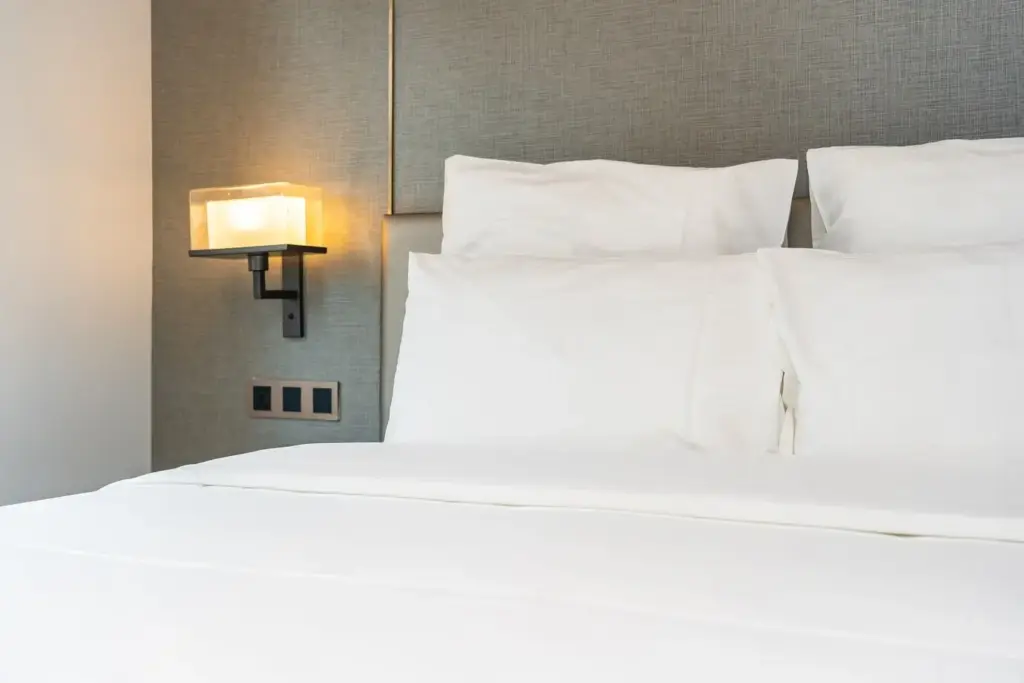
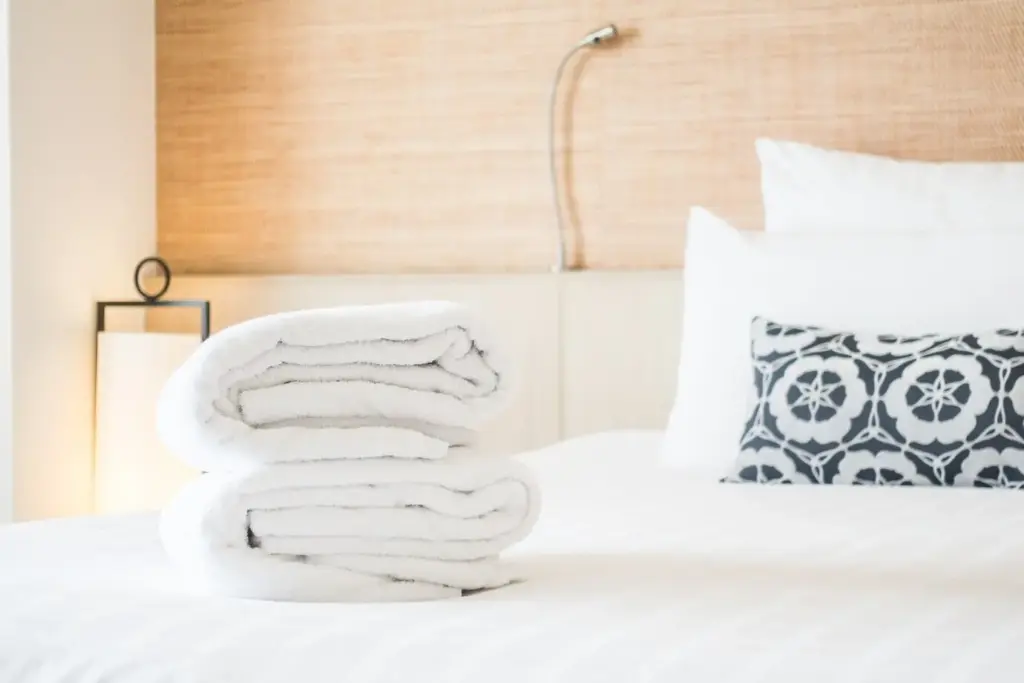
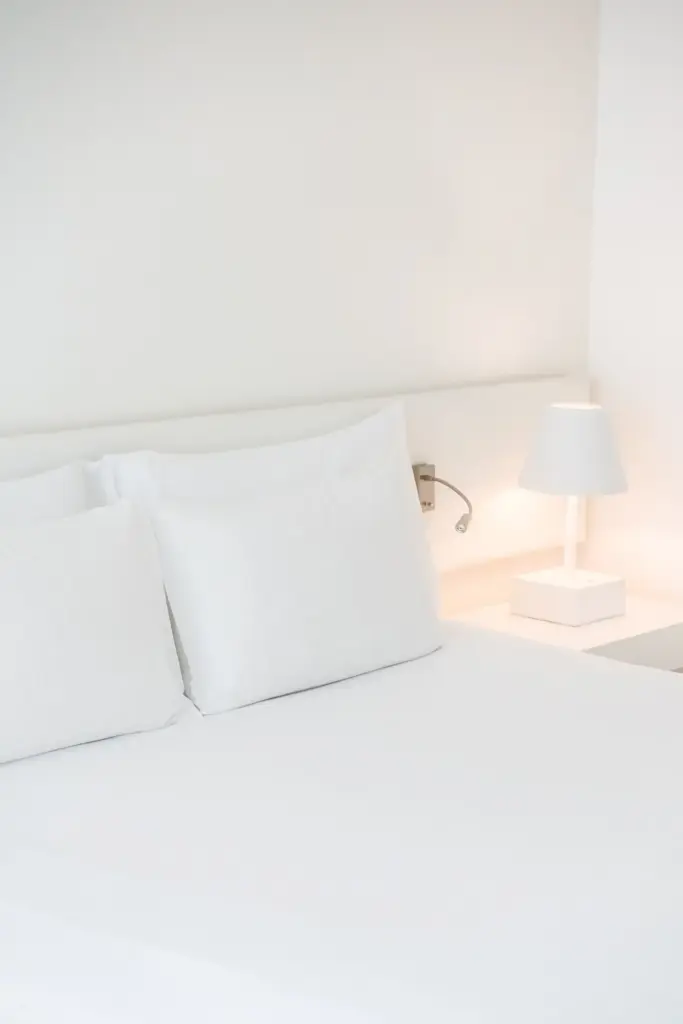
Task lighting is the quiet ally for reading, cooking, grooming, or working at a desk. In hospitality, bedside swing arms, under-cabinet strips, and mirror-integrated sconces place light exactly where it serves without washing the whole room. The goal is crisp illumination with controlled beam spread and little spill. Pair task fixtures with dimmers or local switches, ensuring comfort after dark, and align output with activities so effort feels easy and eyes feel relaxed.

Accent and Decorative Drama

Accent beams and decorative pieces are the jewelry of the room, highlighting art, stone veining, fabric texture, or a sculptural plant. Hotels deploy narrow beam spots and glowing shades to add depth, misdirection, and intrigue. Use picture lights, uplights, or niche LEDs to create focal punctuation, then select a statement pendant or sconce that charms without glare. With careful placement, you add narrative layers that invite lingering glances and rewarding rediscovery.

From Lobby Warmth to Suite Serenity

Focal Points First

Hoteliers start with what the guest should notice immediately: a handsome console, a textured wall, or an artful vignette. Identify your hero elements and light them purposefully with accents or wall-grazing. Then lower surrounding brightness slightly so the focal point carries attention without shouting. This theatrical hierarchy clarifies a room’s story, helps people orient themselves, and prevents visual fatigue. It is an elegant sleight of hand that makes everyday spaces feel curated and memorable.

Sightline Choreography

Great hospitality design edits what you see at every step. As you move through a home, keep glare behind you, highlight inviting destinations ahead, and soften the periphery. Use directional downlights, shaded fixtures, and illuminated art to lead the gaze comfortably. Resist over-lighting; negative space and gentle shadow give shape and depth. With each transition, adjust brightness ratios so rooms feel cohesive, never jarring, and your pathway reads like a guided, gracious invitation.

Ceiling Height and Layer Balance

Low ceilings love perimeter glow and wall lighting that visually lifts; high ceilings can showcase pendants, uplight coffers, and layered downlighting without heaviness. Hotels modulate beam angles, mounting heights, and lumen levels to sculpt volume gracefully. Match the scale of fixtures to architecture, embracing indirect methods where headroom is tight and more generous layering where space allows. This measured balance brings harmony, avoids flatness, and preserves intimacy even in expansive rooms.

Color, Dimming, and Human Comfort

Comfort is more than brightness; it is how color temperature, dimming curves, and consistency support circadian cues and relaxation. Boutique properties gravitate toward warm whites that flatter skin and materials, then lean on smooth dimming to shift energy without harsh steps. Calibrate scenes for morning activity, afternoon focus, and evening wind-down. Keep color rendering high so finishes look honest and food appears appetizing. When the spectrum and control feel natural, people linger happily and breathe easier.

Choosing the Right Warmth

For most living areas, 2700K to 3000K creates an inviting glow, echoing candlelight and golden hour tones beloved in hospitality. Bathrooms may mix warmer ambient with slightly cooler, high-CRI task for grooming accuracy. Be consistent within each space to avoid mismatched whites. Use layered scenes that warm progressively toward night, signaling restfulness. Subtle differences feel luxurious; wild swings look accidental. Test bulbs in situ because surrounding finishes can shift perception more than spec sheets suggest.

Smooth, Silent Dimming

Flicker-free, low-end dimming is the secret handshake of quality. Cheap drivers stumble near the bottom, while good ones glide from bright to whisper-soft without stepping or buzzing. Hotels use programmable controls to tune preset scenes that employees and guests can trust. At home, prioritize compatible dimmers, matched drivers, and clear labeling. Program dining, lounging, and movie settings so ambiance arrives with one press, reducing decision fatigue and keeping the mood consistent every single evening.

Evening Wind-Down Cues

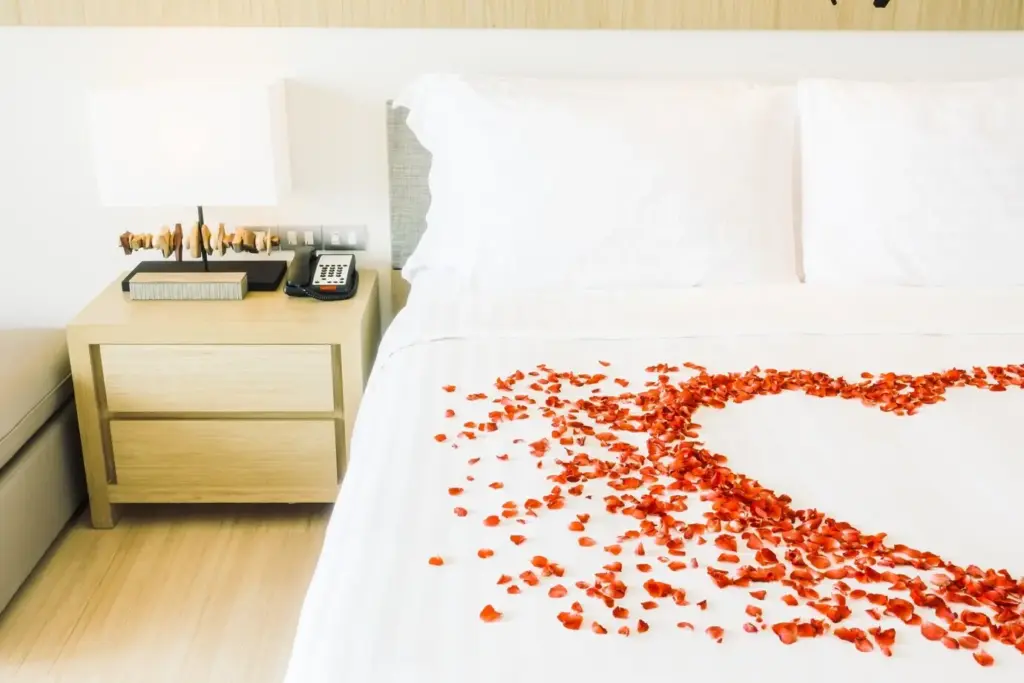
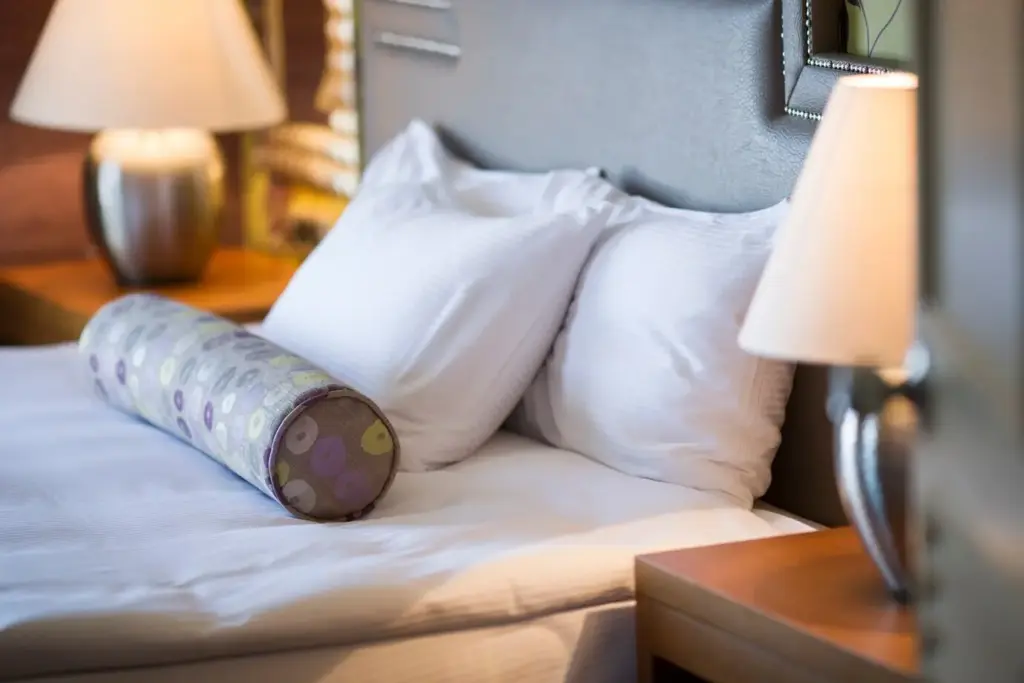
As darkness approaches, shift to localized pools and indirect glow, keeping light below eye level where possible. Warm dim LEDs help emulate candlelit softness, easing tension. Avoid cool task beams late at night; they stimulate alertness. Encourage a bedside ritual: a sconce for reading, a soft toe-kick under the bed, and blackout with a gentle wake scene for morning. When light quietly supports rest, sleep quality improves and evenings feel intentionally restorative.

Materials and Fixtures That Whisper Luxury

Boutique interiors feel special because materials and optics are thoughtfully chosen. Brushed brass, bronzed steel, opal glass, fabric shades, and fine diffusers soften light, control glare, and add tactile richness. Indirect coves and grazers reveal texture without harshness, while sculptural pieces charm like art. Select fixtures with replaceable components and reputable drivers. Small details—trimless apertures, consistent reflectors, careful seam lines—stack into a larger feeling of calm quality that guests notice even if they cannot explain why.

Small Spaces, Big Drama

Entrances, corridors, powder rooms, and petite bedrooms benefit most from hotel-inspired layering because proportion magnifies effect. Keep ceilings light with perimeter glow, place accents low to stretch walls, and deploy mirrors to double sparkle. In bathrooms, blend flattering face light with steamy, spa-like haze. Beside the bed, layer a reading arm with a diffused sconce and a soft floor wash. These compact stages make small fixtures feel grand when intentionally orchestrated with scale and restraint.

Smart Controls and Effortless Zoning

Layered lighting sings when controls are graceful. Group fixtures into scenes—welcome, dine, lounge, and late—so tone shifts with one tap. Integrate motion where helpful, but keep manual overrides obvious. Choose platforms that play well with dimmable drivers and warm-dim lamps. Label wall plates simply. Use daylight sensors to trim daytime energy while preserving ambience. Smart does not need to be complex; it needs to be reliable, quiet, and invisible until asked to perform.

Scene-Based Living

Start by naming activities your home hosts, then assign each a light recipe that blends ambient, task, and accent layers. For example, dining favors warm overhead dim with candle-style sparkle and softened wall grazing. Lounge prefers low pools and indirect glow, while cleanup demands brighter task with fewer shadows. Map these to buttons or voice prompts. When scenes echo real routines, people actually use them, and the space responds like a well-trained, hospitable companion.

Wiring and Grouping Strategy

Even simple homes benefit from thoughtful circuit grouping. Separate ambient from task wherever possible, and keep accent layers on their own circuits for flexible mood control. Coordinate dimmer types with drivers to avoid flicker. In renovations, consider wireless keypads that reduce wall clutter and improve ergonomics. Future-proof by leaving capacity for another accent or cove run. When the backbone is organized, tuning becomes joyful rather than frustrating, and adjustments stay elegant over time.

Retrofit Without the Headache

Many boutique tricks are achievable without opening walls. Plug-in sconces with fabric cords, adhesive LED channels under shelves, and smart bulbs paired with scene controllers deliver meaningful nuance. Layer table lamps at varied heights to replace missing junction boxes. Use paintable cord covers and strategic furniture placement to hide runs. Test color temperatures in the evening before committing. Incremental changes compound into a hospitality-grade experience while keeping budgets and disruption beautifully contained.
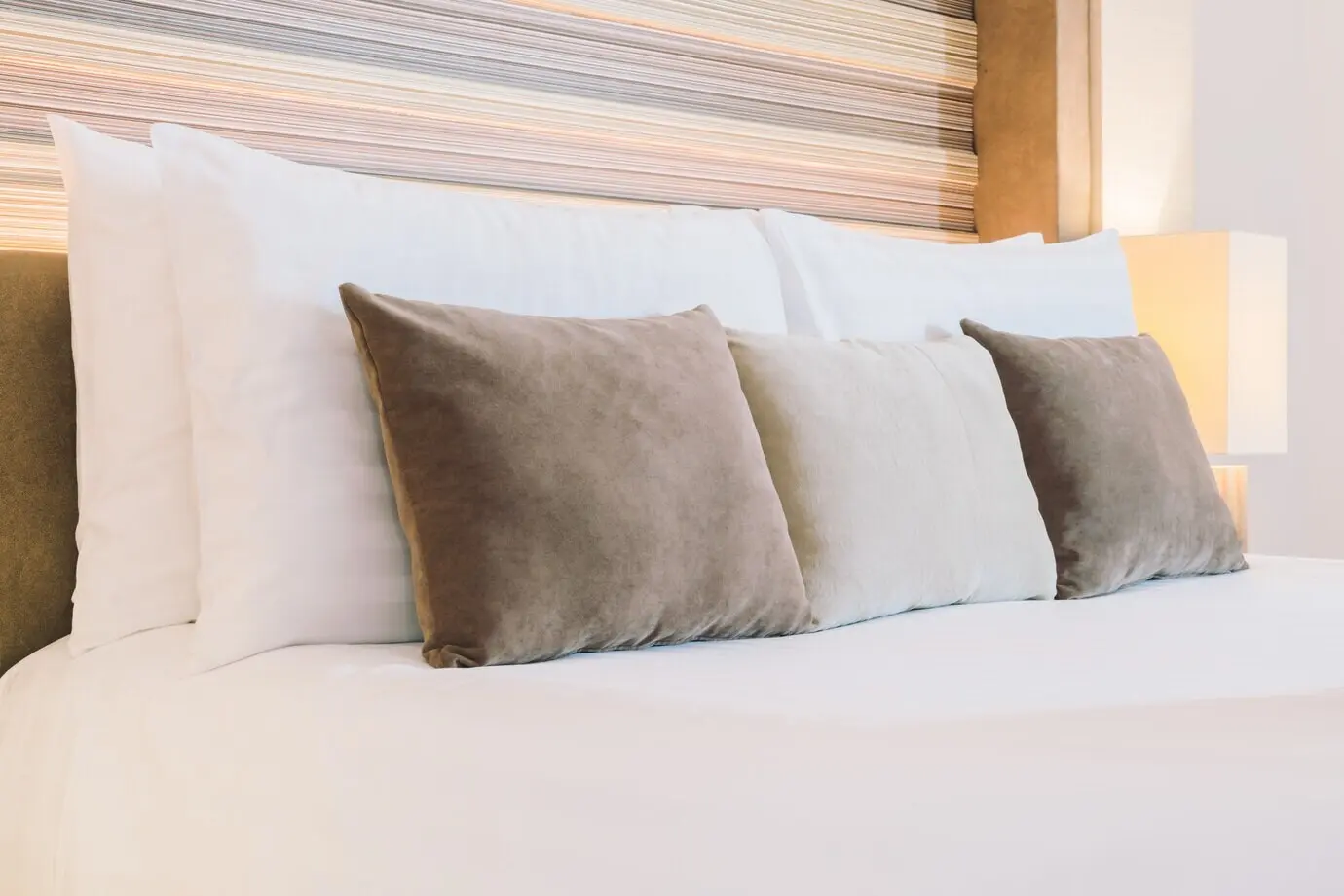
Prioritize Moments, Not Square Footage
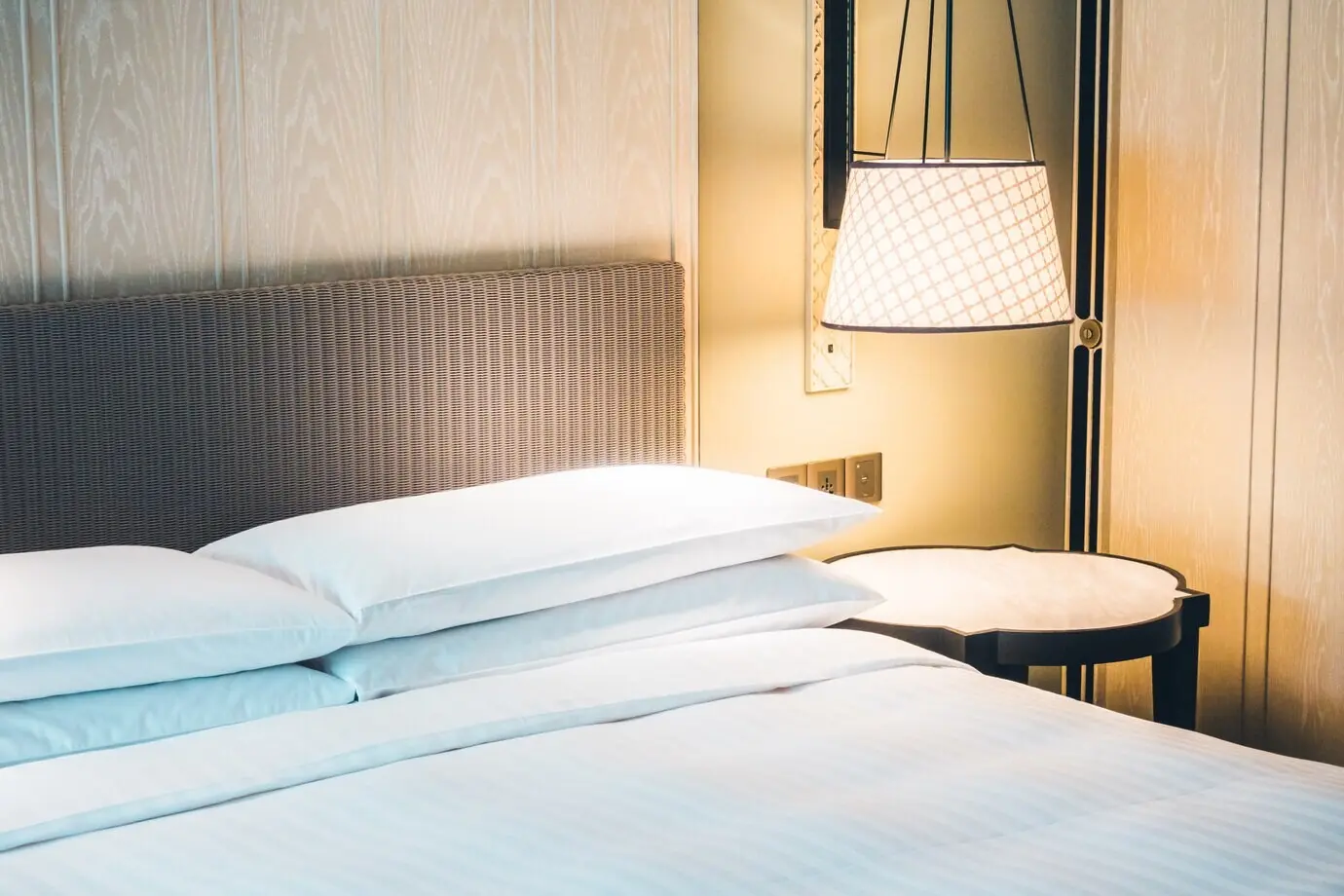
Pick the scenes you cherish—slow breakfasts, reading nooks, late-night films—and build layers around those first. A single accent on artwork and a dimmable table lamp can feel more luxurious than a dozen generic ceiling lights. Spend where eyes land and hands reach. This ruthless focus mirrors hotel strategy: invest in experiences that guests remember. Your budget stretches further when every dollar serves a vivid, repeatable ritual rather than vague, everywhere brightness.

Mix High and Low Without Compromise

Anchor the room with one excellent piece—a pendant, a pair of sconces, or a perfect floor lamp—then surround it with well-chosen, affordable supports. Use fabric shades to elevate inexpensive bases, and lean on LED tape for custom-looking effects. Swap shiny plastics for matte finishes to avoid cheap sheen. The contrast reads intentional, like curated hospitality suites. Balance is the trick: a few stars, many reliable players, and a harmonious, warmly modern cast overall.

DIY Upgrades with Outsized Payoff

Simple moves change everything: add dimmers, lower color temperature, place a cove strip, or spotlight a beloved object. Replace cool lamps with warm, high-CRI versions and watch wood and textiles glow. Aim for layered heights—floor, table, wall, and ceiling—so light feels enveloping. Keep it safe and within capability; bring in an electrician for unfamiliar wiring. Share your before-and-after moments and subscribe for checklists that guide each step with hotel-worthy clarity and confidence.
Hanuvikofilokeruzokehupu
Privacy Overview

This website uses cookies so that we can provide you with the best user experience possible. Cookie information is stored in your browser and performs functions such as recognising you when you return to our website and helping our team to understand which sections of the website you find most interesting and useful.